Introduction
In today's busy globe, supporting social skills in young children is more vital than ever before. Early childhood is a developmental period where youngsters begin to create their social abilities, and exterior play plays a vital duty in this growth. This post discovers the profound impact that outside play carries building social abilities within preschool courses, especially in daycare centers. As we delve deeper right into this topic, we'll discover just how structured and unstructured exterior activities can promote collaboration, interaction, and emotional intelligence among preschoolers.
Building Social Abilities: The Impact of Outdoor Play in Pre-School Classes
Outdoor play isn't just about having fun; it's a crucial element of learning that promotes social communications among youngsters. Whether it's climbing a jungle gym or playing tag, these activities encourage kids to involve with their peers, thereby boosting their capacity to connect and cooperate with others.
The Duty of Day care Centers in Social Development
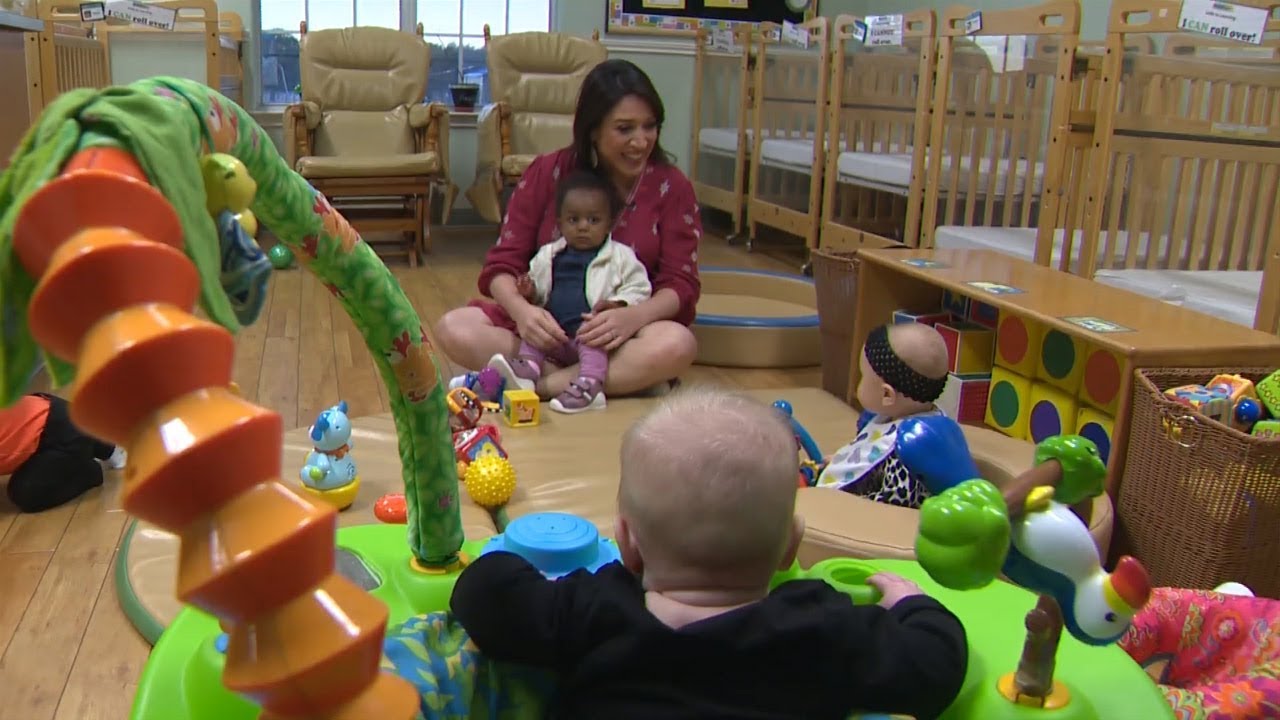
Daycare facilities typically function as the first setting where children interact outside their family. The structure of these centers usually consists of designated outside backyard that supply enough opportunities for youngsters to exercise their social skills.
Why Are Daycare Centers Important?
- Social Interaction: Children find out how to share, bargain, and resolve conflicts. Diverse Environments: Exposure to different backgrounds instructs compassion and understanding. Guided Play: Educators can assist in games that teach teamwork.
By offering a secure area for exploration and interaction, childcare facilities established the phase for establishing long-lasting social competencies.
Understanding Outside Playtime
Outdoor play typically describes any kind of exercise that occurs outside the boundaries of indoor areas. It can entail structured games or totally free play where youngsters decide what they intend to do.
Types of Outside Activities
Structured Games- Organized sports (soccer, basketball) Relay races Group storytelling sessions
- Free expedition (running about, climbing) Creative play (structure fts with natural materials) Nature scavenger hunts
Each kind uses distinct benefits but offers the common objective of urging social interaction.
The Psychological Advantages of Exterior Play
Engaging in exterior tasks dramatically influences youngsters's psychological health and wellness and general well-being.
Stress Relief
Outdoor atmospheres give fresh air and open rooms that minimize feelings of anxiety. Children are much more kicked back when playing outside, which allows them to be themselves socially.
Boosting Creativity
The natural world motivates creative thinking; it urges children to believe outside the box when involving with peers.
Social Abilities Established Through Outside Activities
Various social skills are boosted throughout outside play in preschool settings:
Communication Skills- Kids learn just how to reveal themselves verbally. They practice listening when others speak.
- Team-based tasks need sharing roles. Children discover the relevance of collaboration over competition.
- Disagreements occur normally throughout play. Kids find out ways to bargain services separately or with grown-up guidance.
- Playing together helps kids comprehend others' feelings. Empathetic habits is supported through shared experiences.
Physical Task and Its Connection to Social Skills
Research reveals a strong web link between physical activity and enhanced cognitive function among young kids-- this straight associates with improved social interactions.

Impact on Brain Development
Outdoor activities promote brain growth by promoting neural links responsible for social behavior.
Role of Gross Electric motor Skills
As youngsters run, leap, and climb outdoors, they build gross electric motor abilities crucial for coordinated group activities like group sporting activities or dance movements-- tasks that need teamwork.
Creating Reliable Outdoor Discovering Environments
For childcare centers aiming at maximizing the benefits of exterior playtime, creating an effective environment is crucial:
1. Safety First
Ensuring the playground tools is secure motivates moms and dads' trust and permits youngsters to explore freely without worry of injury.
2. Variety is Key
A diverse range of equipment-- slides, swings, climbing structures-- keeps things interesting and satisfies different rate of interests among kids.
3. Motivate Adult Involvement
Family days including parents can enhance area bonds while enlightening moms and dads regarding the significance of exterior tasks for social ability development.
The Significance of Structured Versus Unstructured Play
While both organized and unstructured play have their benefits, understanding when each type needs to be utilized can assist make the most of developmental end results:
- Structured play provides clear purposes but might restrict imaginative expression. Unstructured play fosters imagination yet may cause conflicts needing resolution approaches from adults.
Integrating Nature into Kindergarten Classes
Bringing nature right into preschool play not just boosts sensory experiences yet likewise contributes positively toward psychological advancement:
1. Nature Scavenger Hunts
These encourage teamwork as youngsters interact to locate things on a checklist while learning about biodiversity at the exact same time!
2. Gardening Projects
Getting hands dirty teaches duty while enabling them plenty of room for cooperation as they function in the direction of a common goal-- a gorgeous garden!
Assessing Social Skill Advancement With Exterior Playtime
Tracking the progression made by kids as they take part in exterior activities can provide useful understandings right into their social skill growth:
|Ability|Summary|Analysis Approach|| -------------------|-------------------------------------------------|----------------------------|| Communication|Ability to share ideas plainly|Observational List|| Collaboration|Readiness to function as component of a group|Peer Feedback|| Conflict Resolution|Efficiency in resolving disagreements|Role-playing circumstances|| Empathy|Acknowledgment & & response toward peers' emotions|Reflection Journals|
Challenges Encountered by Preschoolers Throughout Outdoor Play
Despite its numerous advantages, some difficulties may develop throughout exterior play sessions:
Individual Distinctions Some children might be much more introverted or have problem with initiation leading them not participating completely throughout team games.
Physical Limitations Children with disabilities may encounter difficulties accessing specific kinds of equipment impacting general engagement degrees impacting confidence-building chances too!
Weather Problems Rainy days can disrupt scheduled outdoor activities; for that reason alternate strategies should constantly be taken into consideration!
FAQs Concerning Structure Social Abilities Via Outdoor Play
Q1: Just how does outdoor play influence youngsters's psychological wellness?
A1: Involving outdoors helps reduce anxiety levels while supplying ample chances for expressing sensations through different types consisting of giggling happily experienced with friends!
Q2: Can all preschool courses take advantage of raised exterior time?
A2: Absolutely! Regardless if public/private establishments-- outdoor involvement cultivates positive communications throughout all setups making sure every kid gains necessary experiences vital later on!
Q3: What role do teachers have during exterior activities?
A3: Teachers promote intentional knowing minutes guiding discussions promoting cooperation problem resolution techniques leading eventually in the direction of promoting healthy and balanced connections among peers!
Q4: Exist any certain games advised for improving communication?
A4: Yes certainly! Gamings such as 'Simon Claims' promote energetic listening whilst permitting space self-expression therefore developing verbal/non-verbal capabilities simultaneously!
Q5: How frequently needs to outdoor time be integrated into day-to-day schedules?
A5: Preferably going for at the very least 30-- 60 minutes per session ideally split throughout several components day balances structured/unstructured alternatives catering various passions!
Q6: What kind devices finest matches more youthful age groups engaging safely yet effectively?
Conclusion
In verdict, developing social skills with exterior playtime in preschool courses is not just advantageous-- it's important! Childcare centers acting as nurturing atmospheres enable youngsters enough opportunities for development socially psychologically physically academically via involving enriching experiences outdoors! By prioritizing these invaluable minutes invested outdoors instructors foster solid structures required future success friendships created supported generosity compassion shared experiences produce enduring memories will carry forth throughout lives ahead!